-
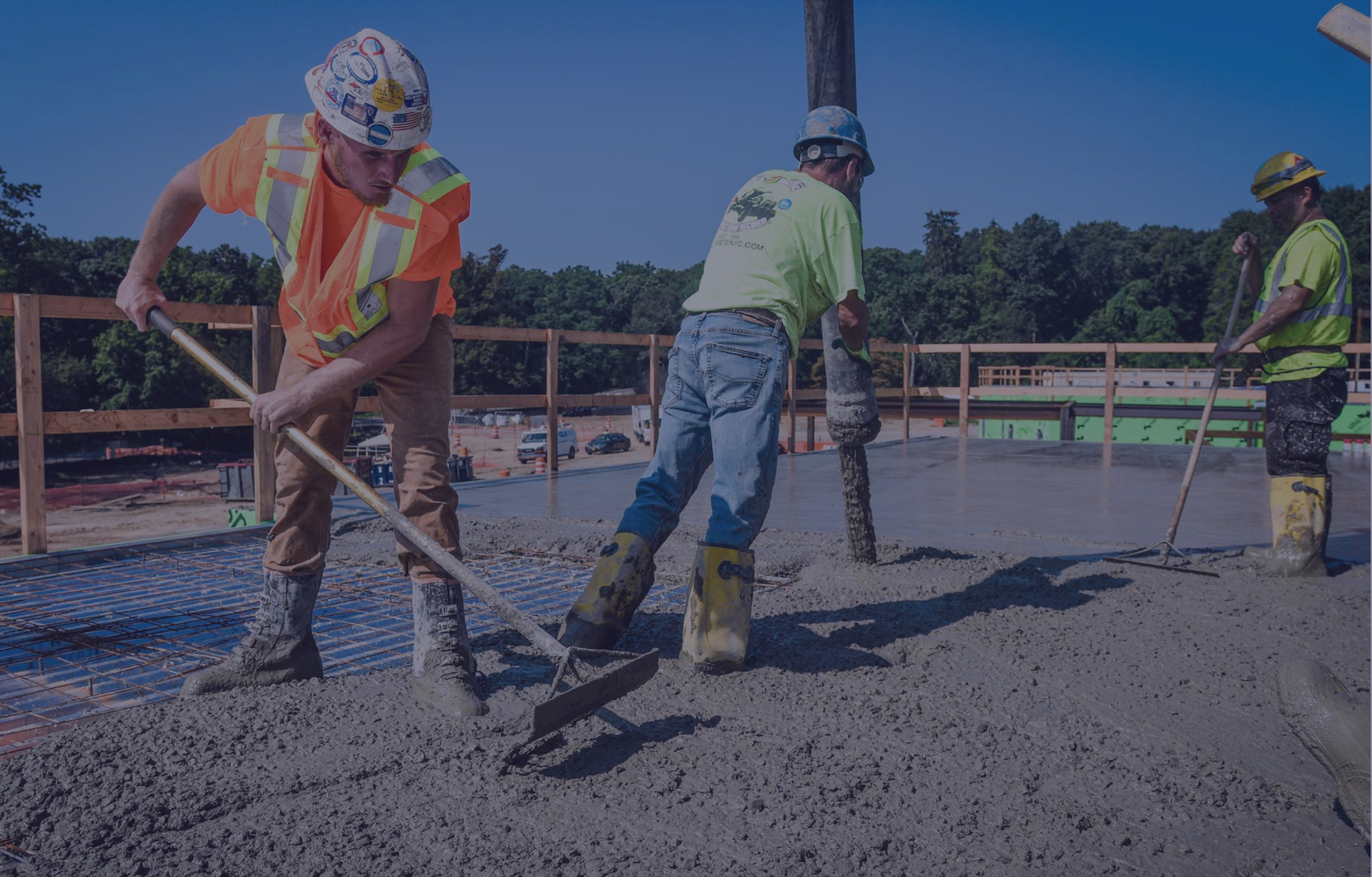
LI Taxpayers Deserve Honest
School Construction.Long Island school construction is in
a free fall to the bottom.
Corruption is Running Rampant in Long Island School Construction
Long Island's public schools are undergoing massive construction to update their aging facilities. Each of these 125 school districts is independently responsible for procurement and oversight of their projects, which encompass 650 buildings. This fragmented capital program spends hundreds of millions of taxpayer dollars each year but is rampant with fraud and abuse. All schools utilize New York State Education Department Building Aid to subsidize almost 80% of these costs with public tax dollars, with limited oversight.
The Problem
Over the last decade law-abiding contractors have been pushed out of the school construction market. Labor crimes such as wage fraud, tax evasion, insurance fraud, bond fraud and public corruption have undermined bid integrity. Bid competition has been reduced to cheating contractors while law-abiding contractors and local workers are no longer competing for these jobs. Unsafe structures built by untrained workers endangers students and faculty.
- The Result
- Dozens of Long Island school districts in 2024 and 2025 having contractors they hired arrested for tax fraud, insurance fraud and wage theft.
- Taxpayers pay twice to reconstruct shoddy work completed by untrained workers.
- Lost tax revenue for school districts because non-local exploited workers take money out-of-state rather than contributing to state payroll tax or local school property taxes.
- A drain on local law enforcement resources as investigators and prosecutors work around the clock to chase bad actors in school construction.
- Dozens of Long Island school districts in 2024 and 2025 having contractors they hired arrested for tax fraud, insurance fraud and wage theft.
- The Solution
This bi-partisan legislation will implement cost-saving Project Labor Agreements (PLAs) on Long Island public school construction, expanding a policy already utilized by NYC Schools, Nassau and Suffolk County Public Works Depts. and all SUNY campuses. PLAs will:
- Save taxpayers money by:
Exempting schools from the costly Wicks Law
Benefiting from federal payroll tax exemptions by using union workforce.
Employing apprentices who legally work for lower wages while developing careers.
- Guarantee local jobs for local taxpayers, who can afford to buy homes and reinvest their money in our schools through local property taxes.
- Eliminate the need for local law enforcement to spend resources prosecuting criminal contractors.
- Support law-abiding, local contractors who build our schools right the first time.
- Save taxpayers money by:
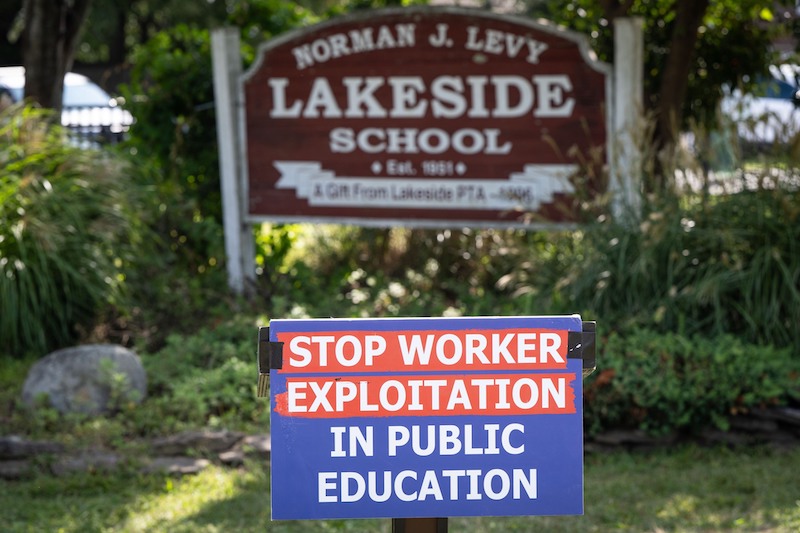
Worker Exploitation Monopolizes School Construction
Over the last decade law-abiding contractors have been pushed out of the market. Labor crimes such as wage fraud, insurance fraud, bond fraud and public corruption have undermined bid integrity.
Fiction vs. Fact
Union workers raise construction costs
New York State requires publicly funded construction projects to pay prevailing wages to ALL workers. Union workers and non-union workers must be paid the same. In addition, union apprentices offer reduced labor costs, saving taxpayer dollars. Unscrupulous contractors don’t have apprentices.
PLAS increase construction costs
PLAS exempt schools from the costly WICKS Law saving an estimated 3-10%. Also, Union worker benefit packages pass on tax savings to schools through federal exemptions. PLAS will save taxpayers money.
PLAS exclude non-union contractors, reducing competition
PLAS are open to everyone, union and non-union contractors alike. In fact, public work PLAS are proven to increase bid competition on average by 14%.
PLAS prevent non-union workers from gaining employment
Both union and nonunion workers can register for referrals, and many PLAs accommodate non-union contractors by allowing them to bring core workers to projects.
Economic Studies In Favor of PLAs
- Bidding
THE IMPACTS OF PROJECT LABOR AGREEMENTS ON COSTS, COMPETITION, AND CONTRACTORS IN ILLINOIS, Manzo & Bruno 2025); PLAS increase the bidder pool.
Project Labor Agreements and Bidding Outcomes, UC Berkeley Labor Center, Philips and Waitzman (2021): Singular peer-reviewed examination of how Project Labor Agreements impact bidding competitiveness, found no significant effect of PLAs on the number of bidders, even when controlling for project size and other relevant factors.
- Cost
Project Labor Agreements: A Research Review, Ormiston & Duncan 2022; no significant impact on costs of school construction.
Public Works Management & Policy (2021): 263 public education projects; no significant effect on costs or bidders.
Industrial Relations (2010, 2014): 300–400+ K-12 school projects; no cost premium when models are properly specified.
Project Labor Agreements in New York State: In the Public Interest & Proven Value, Fred Kotler, Cornell University ILR School (2009, 2011): Reviews hundreds of public projects; finds PLAs can serve the public interest without increasing costs.
Watch and Learn What PLAs Do
There is a reason why project labor agreements exist and why they are used on large construction projects.
High-Quality, Accountable Projects That
Support Local Communities
Local Hiring Promotion
PLAs actively encourage the employment of local workers, enhancing community workforce participation.
Support for Local Businesses
PLAs prioritize local businesses, boosting economic activity within the region and fostering business growth.
Job Creation Impact
By stimulating regional economy, PLAs create new job opportunities, improving local livelihoods.
Clear Labor Agreements
Well-defined labor agreements establish expectations that improve workmanship quality and accountability.
Higher Workmanship Quality
Clear agreements motivate workers to deliver superior craftsmanship and adhere to standards.
Enhanced Accountability
Defined responsibilities ensure contractors and workers are accountable for project outcomes.